# How to Weigh Things Without a Scale: 7 Methods That Actually Work
You need to know how much something weighs, but there's no scale in sight. Whether you're shipping a package, portioning food, or just curious, there are several reliable ways to estimate weight without a traditional scale.
The most accurate method for everyday use is AI camera estimation with reference calibration, which can achieve 80-95% accuracy. But we'll cover all 7 methods so you can pick what works best for your situation.
Can You Weigh Things Without a Scale?
Yes, you absolutely can. While no substitute matches the precision of a certified scale, several techniques give you estimates accurate enough for shipping, cooking, and everyday decisions. The key is choosing the right method for your accuracy needs.
Method 1: AI Camera Estimation
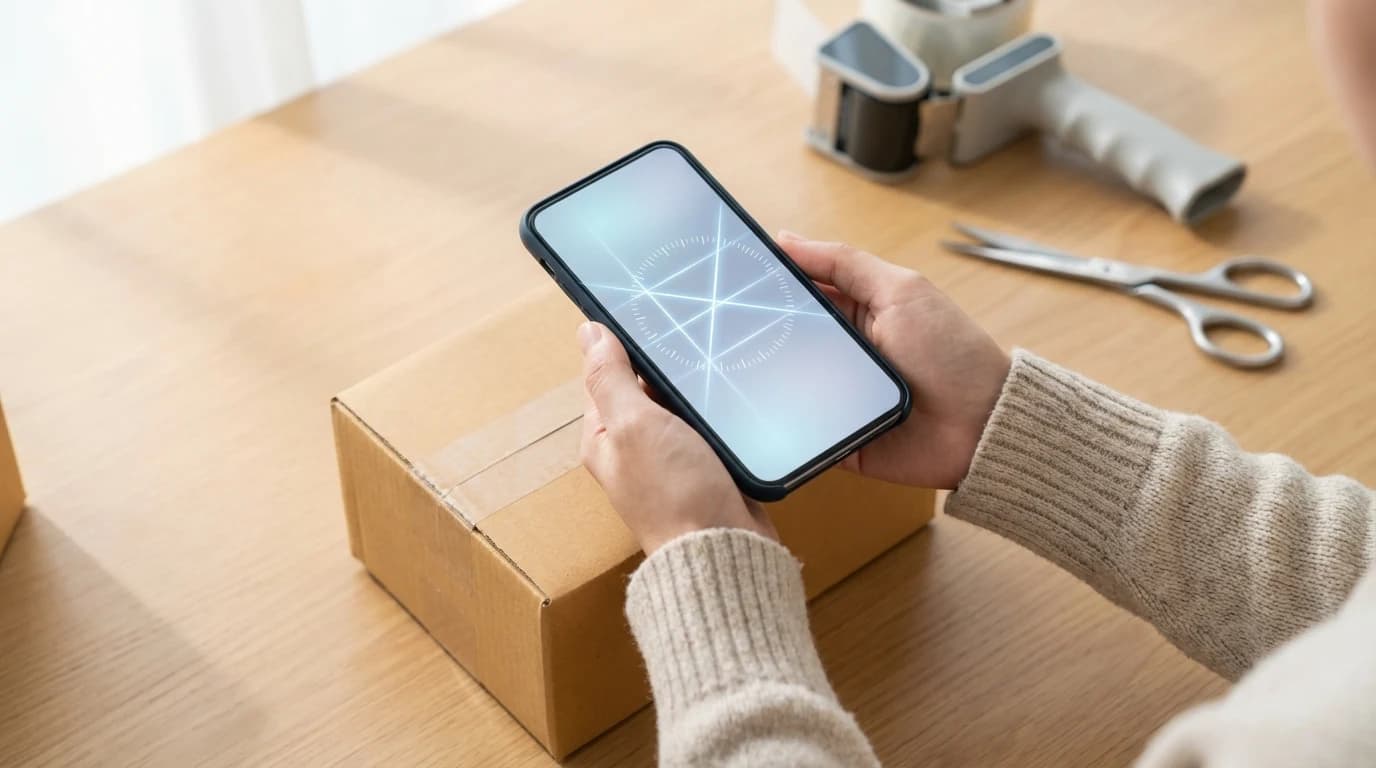
The most modern approach uses your phone's camera and AI to estimate weight from a photo.
How it works:
- Open a scale app like Weight Scale
- Place a coin or credit card next to the object (reference calibration)
- Take a photo — the AI analyzes the object's size, material, and density
- Get an instant weight estimate with a confidence percentage
Accuracy: 80-95% with reference calibration
Best for: Quick everyday estimates, packages, food items
Method 2: The Balance Method
Create a simple balance using a ruler, pencil, and objects of known weight.
- Balance the ruler on a pencil at the center point
- Place your object on one end
- Add known weights to the other end until balanced
- Add up the known weights — that's your object's weight
Known weight references:
- US quarter: 5.67 grams
- AA battery: ~23 grams
- US dollar bill: ~1 gram
- Standard envelope (letter): ~6.75 grams
Accuracy: 85-95% (depends on balance precision)
Best for: Small objects, letters, jewelry
Method 3: Water Displacement
For objects denser than water, you can estimate weight using Archimedes' principle.
- Fill a container to the brim with water
- Place the object in the water
- Measure the overflow — that's the object's volume
- If you know the material's density, multiply: weight = volume x density
Accuracy: 90%+ (if density is known)
Best for: Solid objects made of a single material
Method 4: Comparison With Known Objects
Hold your object in one hand and a known weight in the other.
Common reference weights:
- iPhone 15 Pro: 187 grams
- Can of soda (full): 355 grams
- Standard brick: ~1.8 kg (4 lbs)
- Liter of water: exactly 1 kg (2.2 lbs)
Accuracy: 60-80% (rough estimate)
Best for: Quick ballpark figures
Method 5: The Seesaw Method
A larger version of the balance method using a plank and fulcrum.
- Place a sturdy board on a round object (fulcrum)
- Sit on one end (you know your weight)
- Place the object on the other end
- Adjust the fulcrum position until balanced
- Calculate using the lever principle
Accuracy: 80-90%
Best for: Heavy objects (10+ lbs)
Method 6: Spring Estimation
If you have a spring or rubber band with known properties, you can measure weight by how much it stretches.
- Hang the spring vertically
- Attach the object
- Measure how far the spring stretches
- Compare to the stretch caused by a known weight
Accuracy: 75-90%
Best for: Medium-weight objects
Method 7: Volume Calculation
For regular shapes, calculate volume and multiply by average density.
- Measure dimensions (length x width x height)
- Calculate volume
- Estimate the material's density
- Multiply: weight = volume x density
Accuracy: 70-90% (depends on density estimate)
Best for: Box-shaped packages, uniform objects
Which Method Should You Use?
| Need | Best Method | Accuracy |
|---|---|---|
| Quick everyday estimate | AI Camera (Method 1) | 80-95% |
| Small precise items | Balance Method (Method 2) | 85-95% |
| Shipping packages | AI Camera + Volume Calc | 80-90% |
| Food portioning | AI Camera or Balance | 80-95% |
| Heavy items | Seesaw Method (Method 5) | 80-90% |
Key Takeaways
- AI camera estimation with reference calibration is the most practical method for everyday use
- The balance method is surprisingly accurate for small objects
- Always use a reference object of known size when using camera-based methods
- For shipping, combine methods (AI camera + volume calculation) for best results
- No method replaces a certified scale for medical, legal, or safety-critical measurements
*Weight Scale provides AI-powered weight estimates and should not be relied upon for precision measurements. Always use certified equipment for medical, legal, or safety-critical weighing.*
Sources
- NIST Handbook 44 - National standards for weighing devices
- Archimedes' Principle - Britannica explanation of water displacement